Notes from the atelier
What a handmade bag from Dakar really costs
We are often asked the question backwards. Not "why is it so expensive", but "why isn't it more". Both questions have the same answer, and it fits in three words: the hide, the hours, the hands.
The hide
A bag begins with a choice you cannot undo. Full-grain leather keeps the natural surface of the hide, life marks included — it is the toughest layer, the one that takes on a patina instead of flaking. Corrected-grain leather has been sanded and coated: it is uniform, and it ages differently — its finish wears, it does not take on a patina. Between the two, the price of the material changes markedly. The first is the one we use for our bags.
Not all of a hide can be cut. The flanks are loose, the neck is wrinkled, the back is the only truly dense area. A bag that must last is cut from the back. The rest becomes small pieces, or offcuts. That yield — what the hide actually gives that is good — is what you pay for, not its raw surface.
The hours
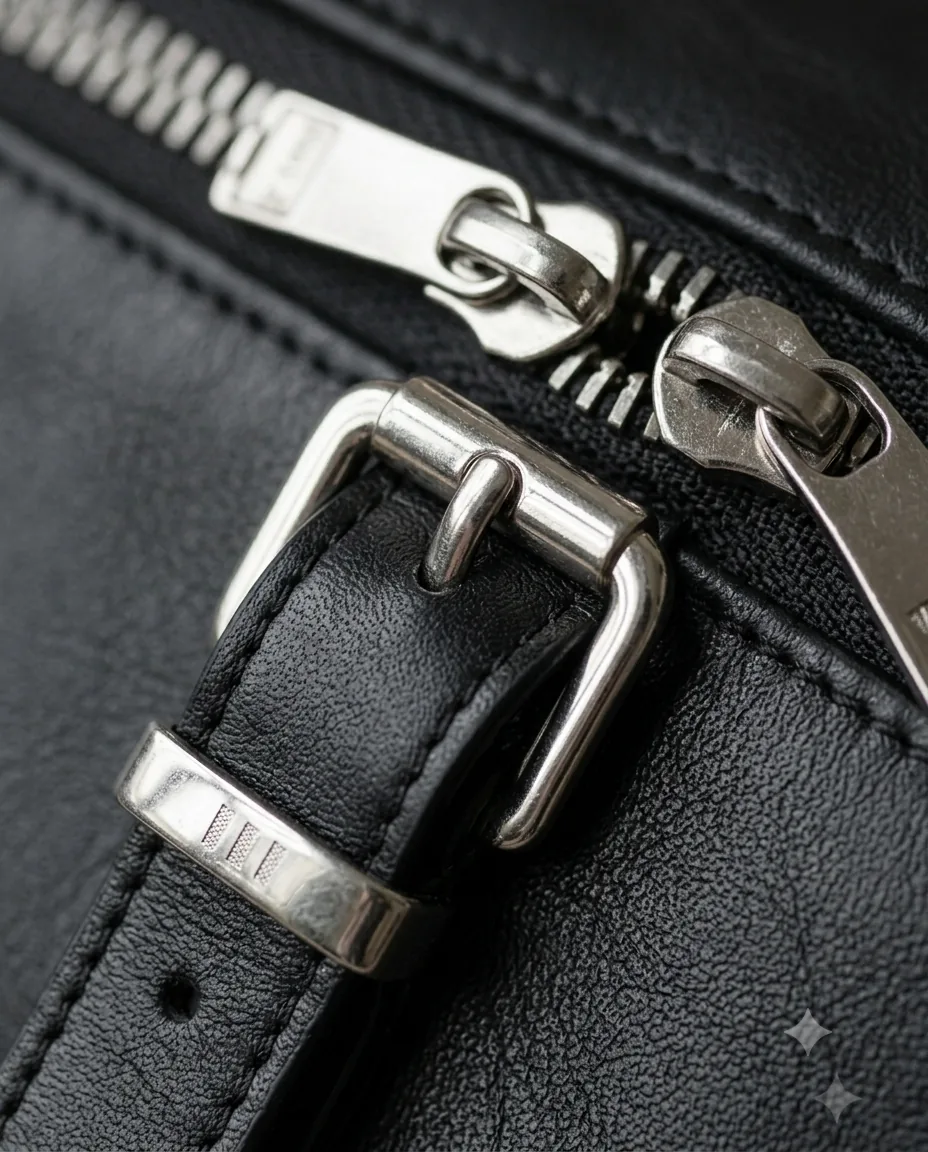
A bag is not assembled, it is built. The pattern, the cutting, the skiving of edges to thin the leather where it folds, the edge dyeing, the stitch marking, the saddle stitch by hand — two needles, waxed thread, a stitch that crosses itself and will not unravel if one side breaks. Then the mounting, the hardware, the inspection. Each of these steps has a time below which it is rushed.
We do not publish hours per piece: that number depends on the hide, the model and the finish requested, and an average would lie about every single bag. But we can say this: a piece signed Koko does not leave the atelier on the day it was cut.
The hands
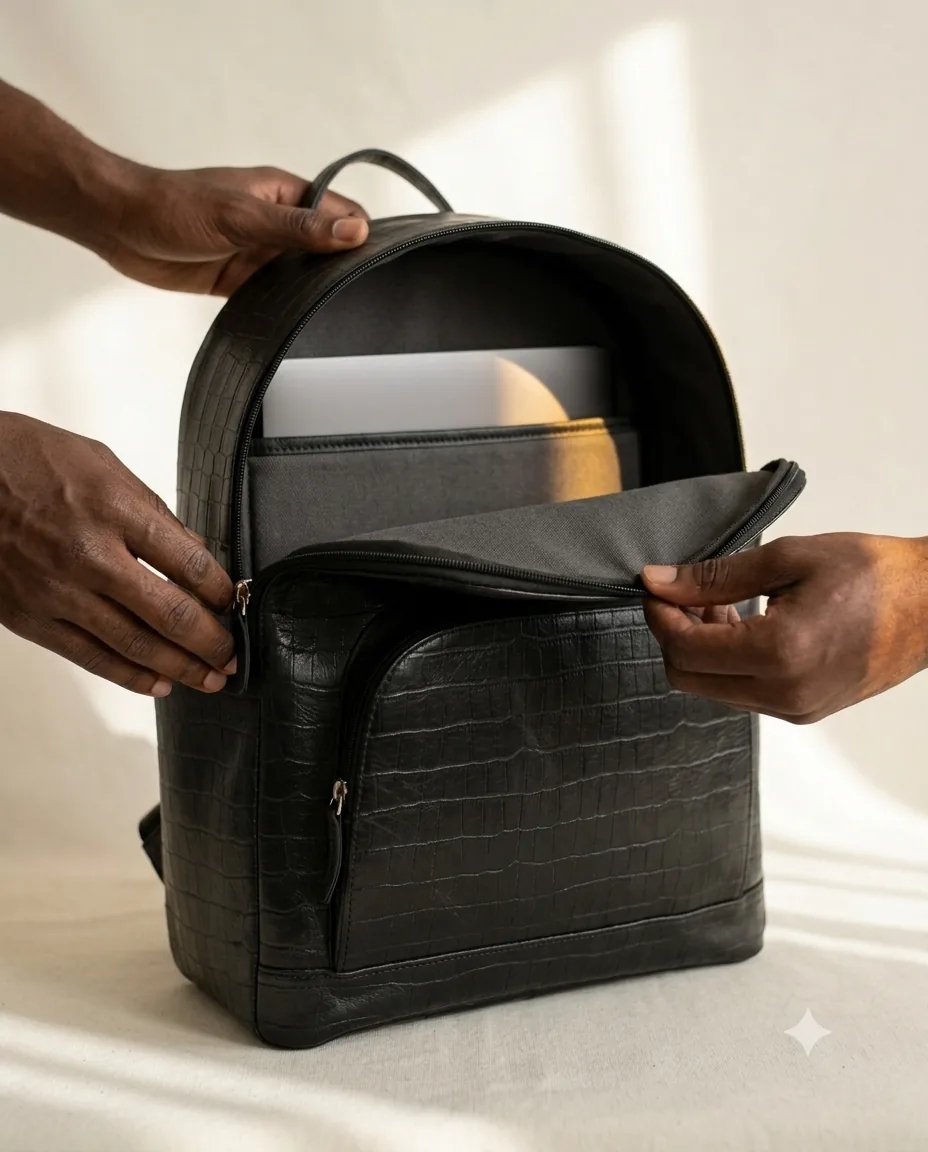
The gesture is learned in years, not weeks. That is what you buy when you buy handmade: a memory of leather that knows, without measuring, where a hide will give and where it will hold. A machine makes the same stitch ten thousand times. A hand makes the stitch this leather asks for.
The best, by two hands.
What you do not pay for
- A logo. The Koko signature is tone on tone, discreet, often on the inside. You are not buying an advertisement to carry.
- A boutique on an avenue in Paris or New York. The atelier is in Dakar, and the bag ships from there.
- A collection every season. We perfect two bags, the Okonko and the Adventure, year after year.
That is why the second question — why not more — is the right one. What makes a luxury piece expensive elsewhere, we removed. What makes it precious, we kept.